





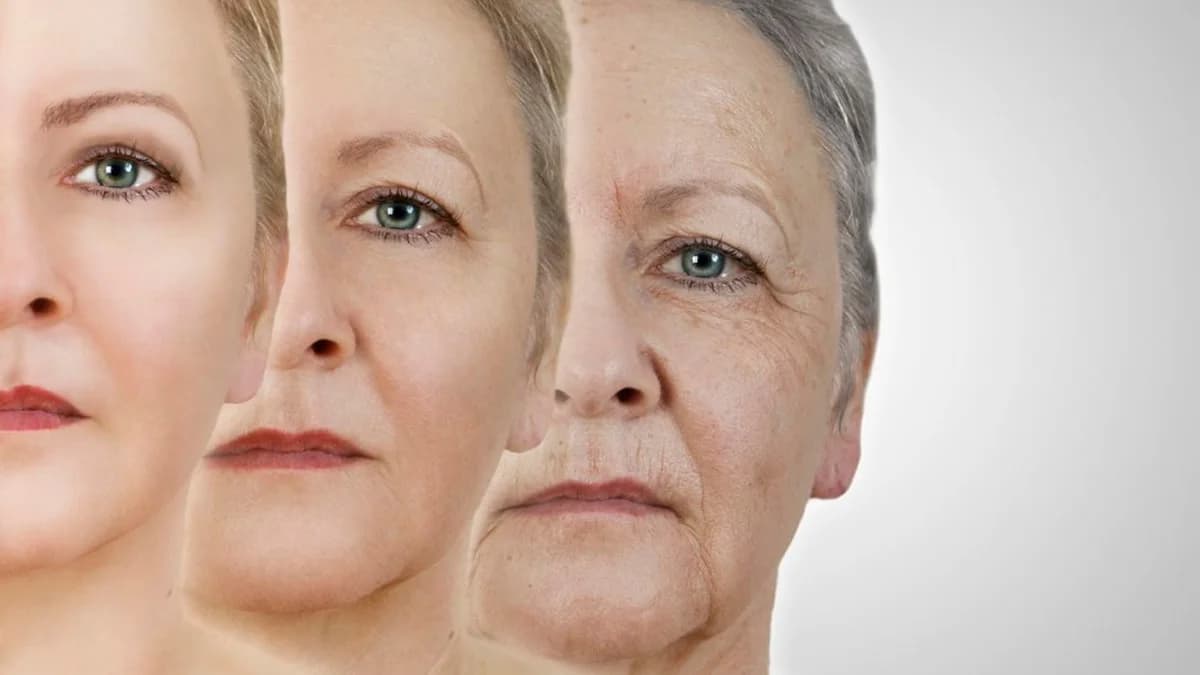
What does biological age mean?
Your chronological age is the number of years you have lived; it cannot be changed. Your biological age reflects your body’s actual functional state—how your metabolism, hormones, cardiovascular system, and inflammation levels are functioning—and it can be higher or lower than your chronological age.
Simply put: a 55-year-old person might have a biological age of 45… or 65. The difference is determined by genetics, lifestyle, and metabolic and hormonal health.
Biological age is an estimate—a guide—rather than a magic number or a medical diagnosis. There are various methods to estimate it, and none are infallible. Its value lies not so much in the exact figure itself, but in what that number helps you understand and decide; it is a compass, not a verdict.
Can you reverse your biological age?
Within certain limits, yes. Unlike chronological age, biological age responds to your actions: nutrition, sleep, physical activity, stress management, and the correction of hormonal or metabolic imbalances can measurably improve your markers.
There are no miracles, but there is real room for improvement—and it is quantifiable. That is precisely the realm of longevity medicine.
How we measure your biological age at Medicality
Our Longevity Check-up is the way we translate all of this into reliable, actionable information—using tests tailored to your specific needs and interpreted by a physician. It is not about amassing test results, but about measuring what matters and knowing what to do with the findings.
Measure your biological age – Request your Longevity Check-up

What are biomarkers?
A biomarker is a measurable indicator of a process occurring within your body—such as a lab test result or a physical measurement. Their true value lies in the fact that many biomarkers change years before any symptoms appear; this allows for timely intervention.
Not all biomarkers measure the same thing. Here are the key categories relevant to aging and why each one matters:
- Low-grade inflammation. This is the “slow burn” of aging: a persistent, silent inflammation that damages tissues over time and is linked to numerous chronic diseases. Markers such as high-sensitivity C-reactive protein (hs-CRP) help detect it.
- Metabolism and blood sugar. How your body handles glucose and insulin is a strong predictor of your future health. Insulin resistance can develop long before diabetes sets in, and it is reversible if detected early (glucose, HbA1c, insulin).
- Advanced cardiovascular health. Beyond standard cholesterol measurements, markers like ApoB and lipoprotein(a) provide a much more precise assessment of actual cardiovascular risk—the leading cause of death.
- Hormonal profile. Hormones regulate energy, mood, sleep, libido, and body composition, and they change with age. Measuring thyroid function, sex hormones, or cortisol helps explain symptoms that are often simply attributed to “getting older.”
- Vitamins and deficiencies. Common deficiencies—such as those involving vitamin D, B12, or iron—affect energy levels, the immune system, and overall well-being, yet they are easily corrected once identified.

Why should we measure all this?
Because it shifts the focus of health from reacting to anticipating. Conventional medicine typically intervenes only after disease or symptoms have appeared; biomarkers allow us to observe the trajectory earlier, while there is still plenty of room for action.
Three specific reasons:
- Early detection. Many processes (insulin resistance, inflammation, cardiovascular risk) progress silently for years. Measuring them allows you to spot them coming.
- Personalization. Your biomarkers reveal what *you* need, not what the “average” person needs. They help avoid both over- and under-intervention.
- Motivation and tracking. Assigning a number to your health status and re-measuring it allows you to verify whether your actions are working. What gets measured can be improved.

Frequently Asked Questions (FAQs)
Is biological age the same as a genetic test?
No. A genetic test looks at your DNA, which barely changes. Biological age reflects your current functional state—influenced by lifestyle—and can therefore improve over time.
At what age does it make sense to measure my biomarkers?
It can be useful starting in your 30s or 40s, when there is still plenty of room for prevention. The sooner you know your starting point, the better.
How often should I repeat the measurements?
It depends on your situation and your results. In general, checking key markers once a year allows you to track trends without automatically repeating the entire panel.
Can a single biomarker tell me if I am aging well?
No. A useful picture emerges from combining several of them; no single value tells the whole story.
Make an appointment